.svg)
Inclusive Nanny Rules: How to be an inclusive nanny in 2026
.jpg)
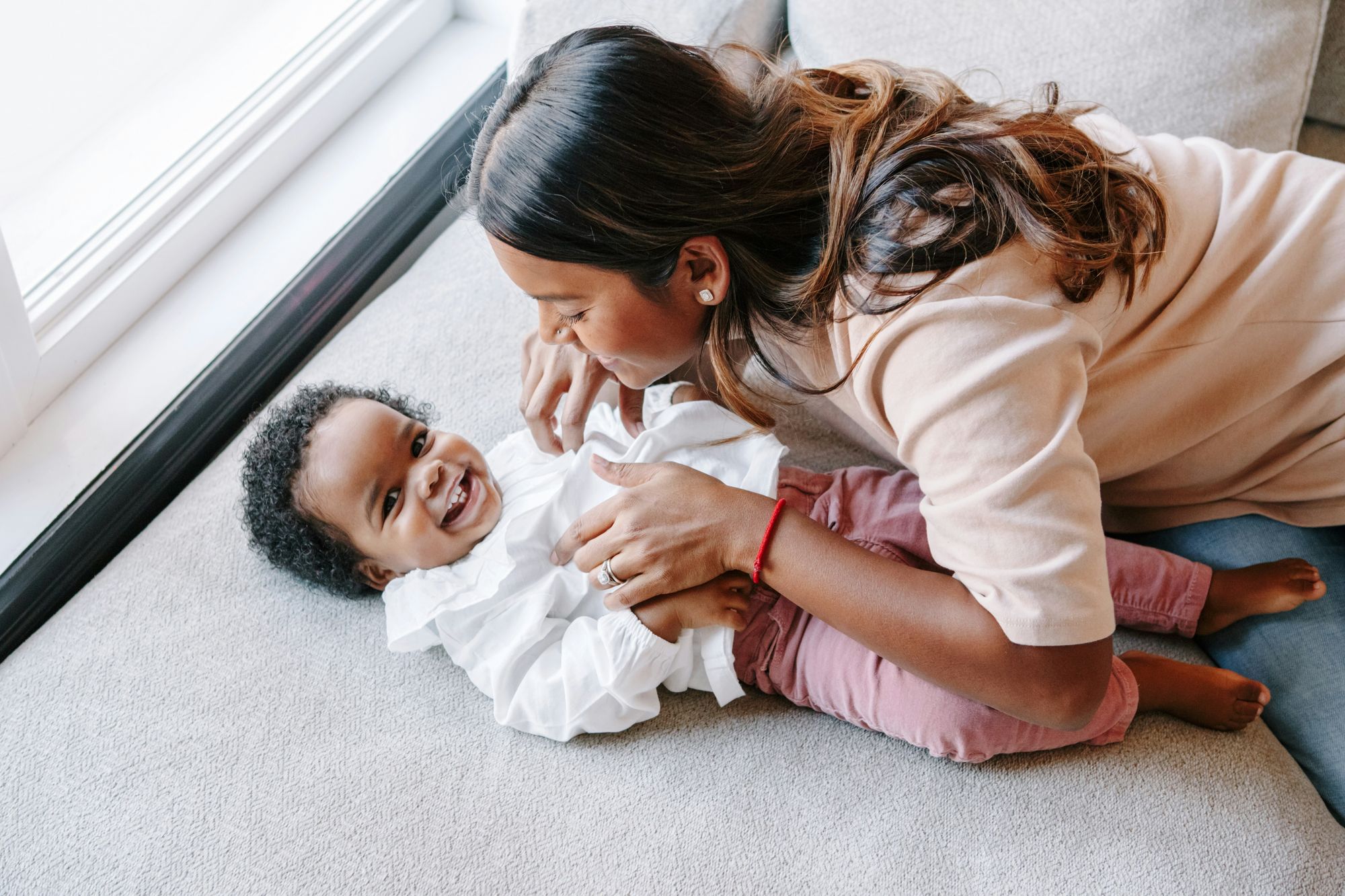
Inclusive nannying is no longer optional. In 2026, it is a coreprofessional skill for nannies who are shaping children not onlydevelopmentally and academically, but socially and emotionally.
Inclusion rarely shows up as a single dramatic moment. Moreoften, it appears quietly in daily routines, peer interactions, group dynamics,and the subtle patterns children absorb long before they have the language toname them.
Maybe it’s the same child who never gets picked.
Or the birthday party where everyone was invited except one family.
Or the group chat that quietly left someone out.
Nannies are uniquely positioned to notice these moments.You are often the adult closest to children when exclusion happens and thesteady presence who can guide them toward empathy, leadership, accountability,and belonging.
This guide is for professional nannies who understand thatemotional intelligence and inclusive caregiving are essential parts ofhigh-quality childcare.
At Pink Nannies, inclusive nannying ispart of the professional standard we look for, support, and place in long-termroles with families who value emotional intelligence and trust.
Why Inclusive Caregiving Matters in Child Development
Children pick up social values by watching how adults behave, notby being told what to do.
They notice who is included.
They notice who is left out.
They notice what adults correct, excuse, or ignore.
Inclusive caregiving supports healthy emotional development, social awareness, andlong-term leadership skills. When adults consistently model empathy,accountability, and repair, children internalize those behaviors as normal.
Popularity is not leadership.
Exclusion is not a social skill.
Ignoring harm does not make it disappear.
Professional nannies understand that inclusion is builtthrough consistency, not perfection.

What the Data Tells Us About Bullying, Exclusion, and Adult Response
Research on bullying and exclusion in the U.S. shows a clearpattern in how adults respond and where gaps exist.
When children are bullied, approximately 72% of parentsreport talking to their child about it, while about 23% contact the school.Only around 5% handle it entirely on their own. About 62% of children who arebullied say their parents talk with them about the experience.
However, when children are the ones doing the bullying orexcluding others, adult intervention drops significantly. Only about 24% ofchildren who bully report that their parents talked to them about theirbehavior. Many adults do not recognize relational bullying such as rumors,exclusion, or mean messages as bullying at all.
Adults are more likely to intervene when their child is thevictim than when their child is causing harm.
This gap matters because early conversations about empathy,accountability, and inclusion can prevent harmful behaviors from becomingpatterns.
For nannies, this reinforces something you already know.Children are learning constantly, even when adults are not explicitlyaddressing what is happening.
What Inclusive Caregiving Looks Like in Daily Work
Inclusive caregiving does not require grand gestures. Itshows up in everyday choices.
Explaining boundaries kindly and privately whenspace is limited.
If a child hurts someone, helping them repair rather than defend the behavior.
Letting children choose kindness even when it is inconvenient.
Choosing clarity over avoidance, because silence still teaches something.
Correcting exclusion in real time and without embarrassment.
Not brushing off hurt feelings as “kids being kids.”
Remembering that one invitation can change a child’s entire week.
Inclusive nanniesunderstand that small moments of guidance can completely change how a childexperiences belonging.
.jpeg)
Inclusive Nanny Mindset Shifts
Inclusive caregiving begins internally.
Awareness over intention. “I didn’t mean to” is not thepoint.
Community over cliques.
Leadership over popularity.
Empathy over convenience.
Modeling over lecturing.
Children are always watching how adults handle discomfort,accountability, and repair. These moments shape how they treat others longafter childhood.
Social and EmotionalSkills Inclusive Nannies Teach Children
Inclusive caregiving equips children with real-world skillsthat extend far beyond childhood.
Professional nannies help children learn how to invitesomeone new, notice who is alone, speak up kindly, and lead without excludingothers. They teach children how to include others without being asked, listenwhen someone says they are hurt, apologize without excuses, repair friendshipsafter mistakes, and be confident without putting others down.
These skills form the foundation of emotional intelligence,healthy relationships, and ethical leadership.
.jpeg)
Things Inclusive Nannies Stop Saying
Some phrases shut down growth, even when they’re common.
“They’ll get over it.”
“That’s just how kids are.”
“We don’t owe anyone anything.”
“It wasn’t intentional.”
“They need thicker skin.”
“You can’t include everyone” when you actually could.
“It’s not a big deal.”
“Just ignore it.”
“You’re being too sensitive.”
“I don’t want to make it awkward.”
Avoidance protects adult comfort, not children.
.jpeg)
Quiet Exclusion Nannies Are Often the First to Notice
Exclusion is rarely loud. That is why it often lasts.
Always inviting the same children.
Group chats or plans that leave one child out.
Inside jokes that isolate.
Photos that send a message without words.
Saying “it just worked out this way” when the pattern is consistent.
If it sends a message, it matters.
What Inclusive Nannies Help Children Understand
Feelings matter, even when they are inconvenient.
Being left out hurts, even if it is unintentional.
Kindness is a strength, not a weakness.
Leadership means lifting others up.
Everyone deserves to feel safe and welcome.
Children do not need speeches. They need steady adults.

A Note to Professional Nannies
Nannies are often the emotional anchors in a child’s day.
You see what others may not.
You hear what children may not share elsewhere.
You model behavior in moments that quietly shape lifelong beliefs.
Inclusive caregiving does not require perfection. Itrequires presence, awareness, and the courage to gently guide when stayingsilent would be easier.
That work matters.
And children carry it with them far longer than we realize.
View similar resources

Babysitter or Nanny in Cincinnati? Why Busy Families Need More Than Coverage

Finding a Nanny in Austin When You're New to the City